Size Conversion Charts (US‚ UK‚ EU‚ Mondo)
Use the teva sandals size guide to match US‚ UK‚ EU‚ and Mondo numbers․ A typical chart shows US 9 equals UK 8‚ EU 42‚ and Mondo 9․5․ Measure in centimeters or inches‚ then cross‑reference the table to ensure a true‑to‑size fit across regions․ The chart also lists Mondo 10․5 for US 10‚ ensuring consistency worldwide․ —easy!!
Foot Measurement Guidelines
Before you consult the teva sandals size guide‚ you need to know your exact foot dimensions․ The most reliable method is to place a sturdy piece of paper on a flat surface‚ stand on it with your heel against a wall‚ and trace the outline of each foot with a pen․ Measure the longest distance from heel to tip of the longest toe in centimeters or inches․ Repeat the measurement twice to ensure consistency․ For width‚ locate the widest part of the foot‚ usually at the ball‚ and record that distance․ Because most sandals fit the larger foot‚ always use the larger of the two measurements․ It is best to perform this test at the end of the day when the foot is fully swollen‚ and to wear the socks or sandals you intend to purchase․ If you normally wear thick socks‚ add an extra half‑inch to the length measurement; if you wear thin socks‚ subtract a quarter‑inch․ A ruler or a digital tape measure can be used‚ but a flexible measuring tape gives a more accurate width reading․ Some people prefer a printable foot‑measurement template that includes a scale; simply place the template on the paper‚ trace your foot‚ and then measure the resulting outline․ If you have access to a foot scanner or a smartphone app that calculates foot length‚ you can cross‑check the manual measurement for accuracy․ Once you have both length and width‚ compare the numbers to the teva sandals size guide to select the appropriate US‚ UK‚ EU‚ or Mondo size․ Remember that the guide lists the recommended size based on the longer foot‚ so you will likely need to choose the larger size if your feet differ by more than a half‑size․ Following these steps will give you a reliable baseline for a comfortable fit and reduce the likelihood of returns or exchanges․
For extra precision‚ measure arch height by placing a ruler between heel and ball while standing; a higher arch may need a slightly wider fit․ If you have foot issues like bunions‚ use a ruler on a flat surface to capture toe shape․ Some users measure while wearing the socks or footwear they plan to use‚ as this can slightly alter the foot’s shape․ Keeping a brief record of length and width helps you track any changes over time․ Consistent measurement practices ensure a reliable fit as feet can shift subtly throughout the year․ Remember to measure both feet‚ as the larger foot determines the final size․!

Fit Tips and True-to-Size Assessment
When using the teva sandals size guide‚ the key to a comfortable fit is to confirm that the chosen size feels true to your foot measurements and the brand’s typical sizing․ Teva sandals are known to run true to size‚ feet that are neither extremely narrow nor wide․ However‚ a few practical steps can help you avoid common pitfalls․
- Check the length first: Measure your foot in centimeters or inches‚ then compare the number to the size chart․ If your foot length falls between two sizes‚ choose the larger one to avoid a tight fit․
- Consider width: Teva’s standard width is medium․ If you have a wide foot‚ look for the “wide” or “extra‑wide” options in the product description․ If no width is listed‚ try the next size up․
- Try on at the end of the day: Feet swell as the day progresses; measuring and fitting later ensures you’re not undersized․
- Read customer reviews: Many users report that Teva sandals run true to size‚ but some mention a slight “tight” feel in the heel area․ If you notice this‚ consider the next size up․
- Use the size conversion chart: Convert your US size to UK‚ EU‚ or Mondo if you’re buying internationally․ The chart ensures you’re selecting the equivalent size across regions․
After selecting a size‚ walk around the store or test the sandals at home․ A true‑to‑size fit should feel snug at the heel‚ secure around the arch‚ and allow a slight room in the toe box․ If you experience discomfort or pressure points‚ adjust by moving to a different size or using a different width option․ Following these fit tips and using the teva sandals size guide will help you achieve a comfortable‚ long‑lasting fit․!

Do Teva Sandals Run Big‚ Small‚ or True to Size?
Teva sandals are widely reported to run to size‚ especially for feet that are neither extremely narrow nor wide․ According to the latest user reviews and the official Teva sizing guide‚ a US 9 will typically correspond to a UK 8‚ an EU 42‚ and a Mondo 9․5․ This consistency holds across most models‚ from the classic Kava to the newer Kava Pro and the more recent Kava M․ The brand’s midsole design‚ which offers a moderate amount of cushioning‚ does not significantly alter the overall length‚ so the size chart remains reliable․ However‚ a few customers note a slightly tighter fit around the heel area‚ which can be mitigated by choosing the next size up or by using a heel cup․ For those with wider feet‚ Teva’s standard width is medium; if your foot width exceeds this‚ selecting a size up or opting for a wide‑fit variant can prevent discomfort․ The strap material can stretch over time‚ slightly changing the fit‚ so try on the sandals after a few days․ The Teva sandals size guide confirms that the sandals run to size‚ but individual fit can vary slightly based on foot width and personal preference․ Always refer to the official size conversion chart before purchasing‚ and consider reading recent customer feedback for specific models to make an informed choice․ Customers often report the sandals feel snug at the heel․ If you find a sandal feels too tight‚ try a half‑size larger; if it feels loose‚ a half‑size smaller may provide a snug fit․ Ultimately‚ the best approach is to combine the size chart with real‑world testing and the latest user reviews to achieve the most comfortable fit possible․

Regional Sizing Differences (North America vs Europe)
North American sizing typically uses US measurements‚ while European sizing follows the EU system‚ which can lead to confusion for international buyers․ According to the Teva sandals size guide‚ a US 9 usually matches a UK 8‚ an EU 42‚ and a Mondo 9․5․ In contrast‚ a European EU 42 is often equivalent to a US 9‚ but some retailers list it as a US 8․5‚ creating a half‑size discrepancy․ The key difference lies in the way each region calculates foot length: US sizes based on the length of the longest toe‚ whereas EU sizes use a standardized conversion that may slightly overestimate foot length for narrower feet․ For travelers‚ it is advisable to measure your foot in centimeters and then cross‑reference the official Teva chart․ European customers should be aware that a “size 42” may feel snug if they have a wider foot‚ and they might benefit from selecting a size 43․ North American buyers should note that Teva’s midsole design provides a moderate amount of cushioning‚ which can affect the perceived fit․ When ordering online‚ always check the retailer’s return policy‚ as many European sites offer free returns for mismatched sizes․ Additionally‚ Teva’s newer Kava M model includes a slightly wider footbed‚ which can accommodate a broader range of foot widths across both regions․ By understanding these regional differences and using the Teva size conversion chart effectively‚ shoppers can avoid common sizing pitfalls and enjoy a comfortable fit worldwide․ Be sure to read the return policy‚ as many retailers offer a 30‑day exchange window for size adjustments․—no hassle․ today․?

Customer Reviews and Common Fit Issues
Reviews highlight Teva’s true‑to‑size fit‚ yet some find the sandals narrow for wide feet․ Common complaints cite Mondo conversion errors‚ causing half‑size mismatches․ Others note the midsole’s cushioning can feel loose in hot weather‚ so slightly larger size fixes fit issues․
Using the Teva Size Conversion Chart Effectively
When selecting a pair‚ begin by measuring your foot in centimeters or inches․ Align the measurement with the chart’s “Absolute” column‚ which lists US‚ UK‚ EU‚ and Mondo sizes side by side․ For example‚ a 27․5 cm foot typically falls into US 9‚ UK 8‚ EU 42‚ and Mondo 9․5․ If your foot falls between two sizes‚ choose the larger size to avoid tightness‚ especially for active use․ Many customers report that Teva sandals run true to size‚ but narrow foot widths can still feel snug; in such cases‚ consider a half‑size up or the “Wide” variant if available․ Always check the “Fit Notes” section of the chart‚ which often indicates whether a particular model is slightly oversized or undersized․ Some Teva styles feature a flexible midsole that expands with movement‚ so a slightly looser initial fit may correct itself after a few wears․ Additionally‚ note that Mondo conversions are not always linear; a US 10 may correspond to Mondo 10․5‚ not Mondo 11‚ so double‑check the chart before ordering․ Finally‚ if you purchase online‚ read the retailer’s return policy—most Teva sellers allow returns within 30 days if the fit is off․ By following these steps‚ you can confidently match your foot size to the correct Teva sandal size‚ ensuring comfort and durability․
In addition‚ consider the environmental impact of your choice․ Teva often uses recycled materials‚ and selecting the right size reduces waste from returns․ Many users also recommend using a shoe stretcher after the first few wears to accommodate the midsole’s natural expansion․ If you live in a hot climate‚ the breathable mesh can cause the foot to swell slightly; opting for a half‑size larger can prevent discomfort during prolonged use․ Lastly‚ keep an eye on seasonal sales‚ as discount periods sometimes feature size‑specific promotions that can save money while still ensuring a proper fit․ Enjoy your adventure!
Recommended Measuring Tools for Accurate Foot Size
To ensure the best fit‚ use a foot‑measuring board or a ruler marked in centimeters and inches․ Place the board on a flat surface‚ stand barefoot with your heel against the wall‚ and mark the longest toe․ Measure from the wall to the mark; this gives your foot length․ For width‚ place a flexible tape measure across the widest part of the ball of the foot․ Record both measurements and compare them to the Teva size chart․ A digital caliper can also be used for precise length‚ while a soft measuring tape works well for width․ If you have a pair of shoes that fit well‚ use them as a reference: place the shoe on the board‚ mark the inside length‚ and subtract the shoe’s internal width from the board’s width to estimate your true size․ Always measure both feet‚ as one may be slightly larger; choose the larger measurement for ordering․ For online purchases‚ many retailers provide printable templates that fit the board; print it‚ fold‚ and follow the instructions to get an accurate reading․ After measuring‚ double‑check the result by comparing it to the Teva size conversion chart‚ noting whether the foot length falls between two sizes․ If it does‚ select the larger size to avoid tightness‚ especially for active use․ Finally‚ remember that Teva sandals are known for their flexible midsole‚ which can expand slightly after a few wears; a half‑size up may be advisable if your foot is close to the next size․ By using these tools and methods‚ you’ll achieve a reliable fit and reduce the likelihood of returns․ This systematic approach ensures confidence when shopping for Teva sandals worldwide and reduces return rates today!!
Adjusting for Foot Width in Teva Sandals
Teva sandals are designed with a flexible upper that adapts to foot shape‚ but width still matters for comfort․ First‚ measure the widest part of your foot—typically the ball—using a tape measure․ Compare that width to the Teva width chart‚ which lists narrow (N)‚ regular (R)‚ and wide (W) options․ If your measurement falls between two widths‚ choose the larger to avoid pinching․ For many models‚ the “regular” width is adequate for most feet‚ but runners or people with broader arches may need the “wide” version․ Additionally‚ the adjustable strap system allows you to fine‑tune fit: tighten the heel strap for a snug feel‚ and loosen the front strap to accommodate a wider forefoot․ Some Teva styles feature a “flex‑loop” that expands outward‚ providing extra room for wider feet without compromising stability․ If you have a foot that is both long and wide‚ consider ordering a size up in length and a width that matches your measurement․ Finally‚ remember that Teva’s midsole is a lightweight EVA that compresses slightly with wear‚ so a small over‑size in width can become a comfortable fit after a few days․ By combining accurate width measurement‚ the adjustable straps‚ and the correct width designation‚ you can achieve a secure‚ irritation‑free fit that lets you enjoy every adventure․ This approach ensures lasting comfort․
Impact of Teva’s Midsole Design on Fit
Teva’s midsole is a lightweight EVA foam that offers a balance between cushioning and responsiveness․ The foam’s low density allows the sandal to flex naturally with the wearer’s foot‚ which reduces the need for a rigid arch support․ Because the midsole compresses under load‚ it adapts to subtle variations in foot shape‚ providing a more personalized fit over time․ However‚ the same flexibility can also mean that the sandal feels less “locked in” compared to models with a firmer midsole․ For users with high arches or wide feet‚ the midsole’s ability to compress can help fill gaps‚ but it may also lead to a slight “slip” if the sandal is not secured with a snug strap․ The midsole’s thickness is typically 3–4 mm‚ which is thinner than many other outdoor sandals‚ so it offers minimal heel lift․ This design choice keeps the heel close to the ground‚ improving stability on uneven terrain․ The EVA also has a low rebound factor‚ meaning the foot does not bounce excessively‚ which can be beneficial for long hikes but may feel less springy for casual wear․ Overall‚ the midsole’s lightweight‚ compressible nature makes Teva sandals comfortable for extended use‚ but users should ensure the straps are adjusted properly to compensate for the lack of rigid support․ The EVA midsole also contributes to the sandal’s overall weight‚ keeping it under 200 grams per pair‚ which is advantageous for backpackers who need to minimize load․ Moreover‚ the midsole’s thermal properties allow it to stay relatively cool in hot climates‚ reducing foot sweat and preventing blisters․ Some Teva models incorporate a secondary layer of foam beneath the primary EVA to enhance shock absorption during downhill descents․ This layered approach can slightly increase the midsole thickness‚ but the added cushioning does not compromise the sandal’s flexibility․ Users who prefer a more pronounced arch support can pair the sandals with aftermarket orthotic inserts‚ which fit comfortably within the EVA cavity without altering the original fit․ Finally‚ the midsole’s durability is rated for 10‚000–12‚000 steps‚ ensuring that the cushioning remains consistent over long periods of use․
Common Customer Complaints About Size and Fit
Customers often report that Teva sandals feel slightly narrow in the toe box‚ leading to blisters or a “pinching” sensation during extended wear․ Many reviewers note that the mid‑strap width can be too tight‚ pulling the foot forward and reducing natural arch support‚ while others find it too loose‚ causing the sandal to shift and create a “slip‑and‑slide” effect․ A frequent issue is the heel counter; some users say it does not provide enough retention‚ resulting in a slight heel lift and instability on uneven terrain․ The sizing chart can also be misleading; a US 9 may feel more like a UK 8 for certain foot shapes‚ confusing online shoppers․ The EVA midsole’s low density can feel “soft” for people who prefer a firmer base‚ giving the impression that the sandals are “too lightweight․” A handful of users express dissatisfaction with the lack of dedicated arch support‚ which can be problematic for those with high arches․ Some buyers report that the toe box is too small for their toes‚ causing discomfort on hard surfaces․ Others mention that the straps do not stay in place during vigorous activity‚ leading to a loss of support․ A number of users complain that the sandals feel too tight around the ankle‚ restricting blood flow during extended use․ Certain buyers note that the heel counter is too narrow‚ causing the heel to slip out during walking․ Some reviewers state that the sandal’s width is too narrow for their foot shape‚ resulting in an uncomfortable “tight” fit over long periods․ A few customers report that the sandal’s footbed is too flat‚ which can cause foot fatigue for those with high arches․ This often leads to returns and!?․
FAQ: How to Resolve Size Mismatches
When a Teva sandal feels too tight or too loose‚ start by verifying your measurement․ Use a ruler or a dedicated foot‑measuring tool‚ record the longest foot length in inches or centimeters‚ and match it against the official Teva size conversion chart․ This step eliminates most sizing errors․
Teva typically runs true to size‚ but individual models may vary․ If you usually buy a half‑size up for comfort‚ consider stepping down a half size for a snug fit‚ especially if the sandal’s toe box feels cramped․ Adjusting for foot width with the adjustable straps can also help․
The midsole density influences perceived fit․ A softer EVA midsole can feel lighter but may also feel looser․ If the sandal feels “sloppy‚” try a slightly smaller size or add a thin insole to increase stability and reduce movement inside the footbed․
Strap adjustment is key for width․ Tighten the upper strap to secure the foot‚ then loosen the lower strap to allow room for the heel․ Many Teva models feature a buckle or elastic that lets you fine‑tune the fit without cutting off circulation․
Use the Teva size guide to check your measurement before buying!
Finally‚ most retailers offer a 30‑day return or exchange window․ If‚ after all adjustments‚ the sandal still feels off‚ use the return policy to swap for a different size․ For special foot conditions‚ consulting a podiatrist before purchasing can prevent future mismatches․
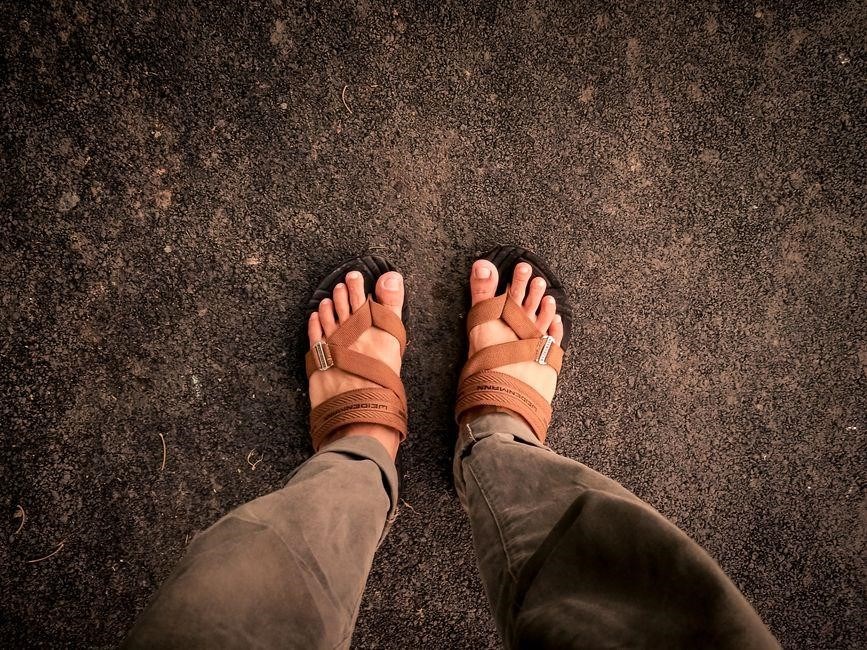
Remember that Teva’s official guide updates annually; always refer to the latest chart on their website before ordering․ A precise measurement‚ mindful strap adjustment‚ and informed size choice will keep your sandals comfortable and functional․